Complete Guide to Installing Kitchen Range Hoods Safely
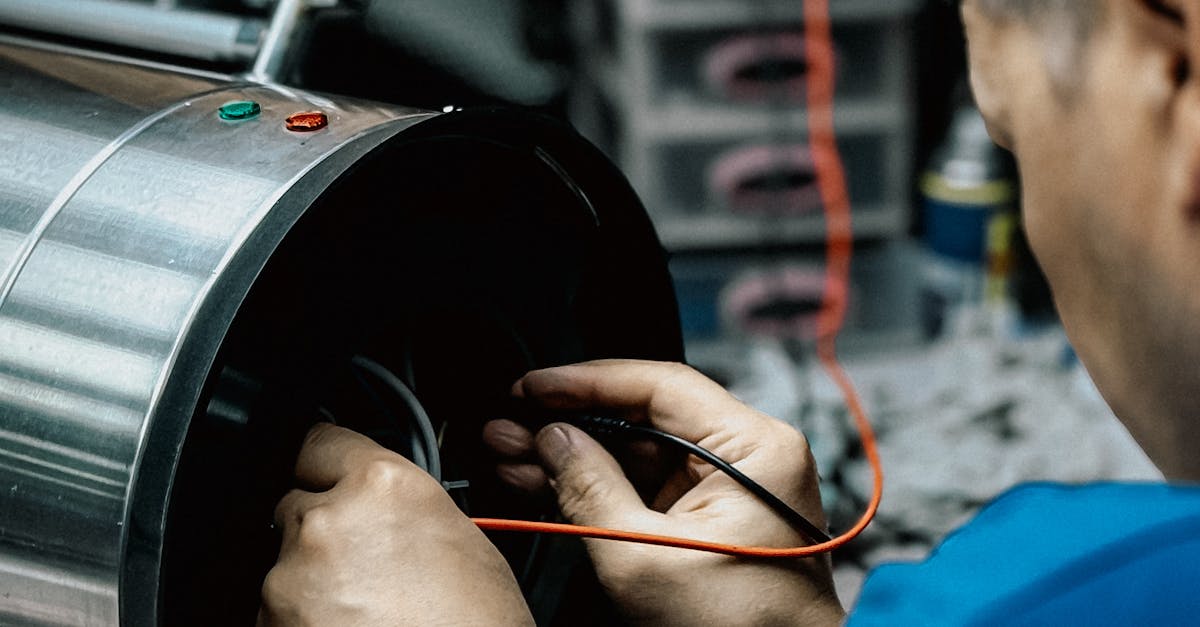
Table Of Contents
Connecting Electrical Wiring
Proper electrical connections are crucial for the safe operation of your kitchen range hood. Before beginning, ensure that the power supply is switched off at the circuit breaker. Use a voltage tester to confirm that there is no electrical current present. Ensure that all wiring components are suitable for the appliance and adhere to local electrical codes. Using wire nuts or terminal blocks, connect the hood’s wires to the house wiring, ensuring that each connection is secure and correctly matched—typically black to black, white to white, and green or bare wire to the grounding point.
After making the necessary connections, it's important to evaluate the installation. Carefully tuck the wires back into the wall or ceiling, ensuring not to pinch any wires that could cause a short circuit. If the range hood includes a plug for a standard outlet, make sure it is accessible. Once everything is secure and organised, restore power at the circuit breaker and proceed to test the range hood's operation. This step confirms that all connections are functioning correctly and that the appliance operates efficiently.
Ensuring Safe Electrical Connections
Before proceeding with the installation of your kitchen range hood, it is essential to ensure that all electrical connections meet safety standards. Begin by turning off the power supply to the kitchen at the circuit breaker. This step is crucial to prevent any electrical shocks during installation. Use a voltage tester to confirm that the power is entirely off. Once you have verified that it is safe to work, you can proceed to connect the wires from the range hood to your home's electrical supply.
When connecting the electrical wiring, make sure to follow the manufacturer's instructions closely. Typically, you will need to connect the black or red wire to the live wire in your home, the white wire to the neutral wire, and the green or bare wire to the grounding system. Use wire connectors to secure the connections and wrap them with electrical tape for added safety. It is recommended to double-check each connection before restoring power to the circuit. This attention to detail guarantees that your range hood operates efficiently and safely.
Ventilation Options Explained
When selecting a kitchen range hood, understanding the differences between ducted and ductless systems is crucial. Ducted range hoods expel air outdoors through a series of ducts, effectively removing cooking odours, smoke, and excess heat. This option is ideal for those who prioritize air quality and have the ability to install ducting through their kitchen layout.
On the other hand, ductless range hoods rely on recirculating air through a filtration system before returning it to the kitchen. These units are easier to install since they do not require any external venting. They are often favoured in apartments or spaces without access to ducts. However, their effectiveness can vary based on the type of filters used and may not completely eliminate all cooking smells.
Ducted vs. Ductless Systems
Ducted systems are designed to remove smoke, heat, and odours from the kitchen by venting air outside through ducts. This method ensures that unwanted particles are expelled from your home, maintaining a cleaner and healthier indoor environment. Ducted range hoods tend to offer better performance, especially in larger kitchens, where effective ventilation is essential. The installation process can be more complex due to the need for ductwork, which may require additional structural considerations.
In contrast, ductless systems recirculate air back into the kitchen after passing it through filters that capture grease and odours. These models are often easier to install since they do not require extensive ductwork. However, the efficiency in removing heat and smoke can be less effective compared to ducted options, particularly during heavy cooking sessions. Ductless hoods can be a suitable choice for smaller spaces or apartments where venting outside is not feasible.
Testing the Range Hood
Once installation is complete, it’s essential to test the range hood to ensure it functions properly. Begin by turning on the power supply and activating the hood. Listen for any unusual noises, such as rattling or grinding, which could indicate a problem with the motor or fan. Additionally, check the lights to confirm they illuminate adequately, providing sufficient brightness for your cooking area.
Next, evaluate the airflow by placing a piece of paper near the grease filter or duct exit. A strong pull of air should hold the paper in place, indicating effective ventilation. It is also important to ensure that the hood’s various speed settings adjust correctly, allowing you to manage air movement depending on your cooking needs. Regular maintenance and periodic checks will help maintain efficiency and longevity.
Verifying Functionality and Efficiency
After completing the installation of your kitchen range hood, it's essential to verify that everything is functioning as intended. Begin by powering on the unit and testing all speed settings. Listen for any unusual noises that could indicate a problem. Ensure that the lights illuminate properly and check the user interface for any error codes. These initial checks will help confirm that your range hood is operational.
Next, assess the efficiency of the ventilation system. With the range hood on, turn on your cooktop and monitor how well the unit captures smoke, steam, and odours during cooking. A good range hood should efficiently remove these elements from the air. If there's noticeable smoke or lingering smells, this could suggest an issue with either the installation or the system itself. Addressing any inefficiencies promptly will ensure your kitchen remains a pleasant environment.
FAQS
What are the main types of kitchen range hoods?
The main types of kitchen range hoods are ducted and ductless systems. Ducted systems vent air outside while ductless systems filter and recirculate air back into the kitchen.
How can I ensure safe electrical connections when installing a range hood?
To ensure safe electrical connections, it is important to turn off the power at the circuit breaker, use appropriate wiring and connectors, and follow local electrical codes. If in doubt, consult a licensed electrician.
What ventilation option is better for my kitchen—ducted or ductless?
Ducted systems are generally more efficient as they expel air outside, which is better for removing smoke and odours. Ductless systems are easier to install and may be suitable for kitchens without external venting options.
How do I test the functionality and efficiency of my range hood after installation?
To test your range hood, turn it on and check for proper airflow, listen for any unusual noises, and ensure the lights work. You can also assess its efficiency by cooking and observing how well it removes smoke and odours.
Do I need a professional to install my kitchen range hood?
While some homeowners may feel comfortable installing a range hood themselves, it can be complex, especially with electrical and ventilation considerations. Hiring a professional can ensure a safe and correct installation.
Related Links
How to Properly Install a Refrigerator to Maximise EfficiencyBest Practices for Incorporating a Dishwasher into Your Kitchen Layout
How to Choose the Right Location for Kitchen Appliance Installation
Understanding Electrical Requirements for Kitchen Appliance Installation
Navigating Kitchen Cabinet Installation for Integrated Appliances
The Importance of Professional Installation for Gas Cooktops
A Step-by-Step Approach to Installing Kitchen Sinks