Essential Personal Protective Equipment for Appliance Technicians
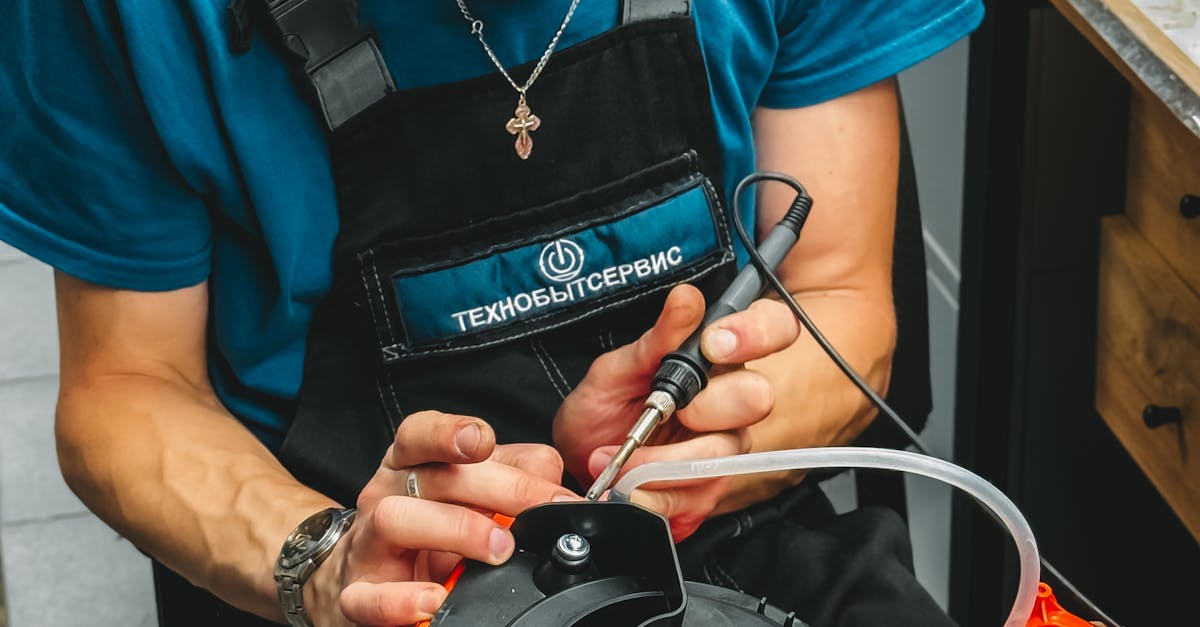
Table Of Contents
Hand Protection Essentials
The importance of hand protection cannot be overstated for appliance technicians. With the constant handling of tools and equipment, as well as interaction with potentially hazardous materials, the right gloves are crucial. Technicians should select gloves that offer a good balance between dexterity and protection. Thicker materials may shield against cuts, punctures, and abrasions, while thinner options provide greater tactile sensitivity.
Choosing the correct gloves also involves considering the specific tasks at hand. Materials such as latex, nitrile, or leather each have unique benefits that cater to different working environments. For instance, nitrile gloves are excellent for electrical work due to their insulation properties, while leather gloves are advantageous for heavy-duty tasks involving sharp objects. It is essential to assess factors like fit, grip, and resistance to chemicals when selecting the ideal pair for the job.
Best Practices for Choosing Gloves
Selecting the right gloves is crucial for ensuring protection while working with appliances. Consider the materials used in glove construction. Many technicians prefer nitrile for its puncture resistance and chemical protection, while latex offers excellent dexterity. Make sure to assess the specific hazards encountered during work, such as sharp edges or exposure to chemicals, and choose gloves accordingly.
Fit is equally important when choosing gloves. Ill-fitting gloves can hinder movement and may reduce grip, leading to accidents. Look for options that provide a snug yet comfortable fit without compromising mobility. Testing gloves for comfort and flexibility before finalising a choice is advisable. Additionally, consider the gloves’ insulation properties if working with electrical components. Ensuring that gloves meet relevant safety standards will also enhance protection effectively.
Footwear Safety Standards
Safety footwear is crucial for appliance technicians, given the potential for heavy equipment, electrical hazards, and slippery surfaces in various work environments. Compliance with Australian safety standards, such as AS/NZS 2210.3, ensures that shoes meet specific criteria for slip resistance, puncture resistance, and electrical hazard protection. Selecting footwear adhering to these standards minimises the risk of workplace injuries and enhances overall safety.
In addition to compliance, technicians should consider the fit and comfort of their footwear. Poorly fitted shoes can lead to fatigue and increase the likelihood of accidents. Features like cushioned insoles and sturdy outsoles can provide better support and traction, essential for navigating challenging job sites. Proper maintenance of footwear, including regular inspections and timely replacement, is also vital to uphold safety standards and protect feet from potential hazards.
Key Features of Protective Footwear
Selecting the right footwear is crucial for appliance technicians working in various environments. Protective footwear should feature slip-resistant soles to prevent accidents on slick surfaces. Steel toe caps provide essential protection against heavy tools and appliances, shielding the feet from potential injuries. Comfort must not be overlooked, as technicians often spend long hours on their feet. A well-fitting shoe with adequate arch support can reduce fatigue and enhance overall productivity.
In addition to safety features, moisture-wicking materials can contribute to comfort by keeping feet dry during long working days. Many models come with puncture-resistant insoles, adding an extra layer of protection against sharp objects on the ground. Breathable designs are recommended to manage temperature and reduce the risk of overheating. Technicians should also consider waterproof options when working in environments with potential spills or wet conditions, ensuring that their footwear meets both safety standards and practical needs.
Body Protection Attire
Technicians working with a variety of household appliances encounter numerous hazards, making appropriate body protection essential. Durable coveralls serve as a primary layer of defence against grease, sharp objects, and hazardous materials. Additionally, these garments are typically designed to be breathable, ensuring comfort during long hours of service. The choice of fabric is crucial, with many opting for materials resistant to chemicals and flame, further enhancing safety.
The versatility of coveralls makes them suitable for different environments, from residential settings to commercial workshops. Features such as multiple pockets provide convenient storage for tools and small parts. Some coveralls even come with reinforced knees to withstand the rigours of kneeling and crawling. Overall, robust body protection attire not only safeguards technicians but also contributes to their professionalism on the job.
The Role of Coveralls in Appliance Repair
Coveralls serve as a fundamental layer of protection for appliance technicians, preventing contamination and damage to personal clothing. These garments offer a barrier against various substances, including dust, grease, and chemicals commonly encountered in repair environments. Their design allows for easy movement while also providing adequate coverage to protect against accidental spills or injuries.
In addition to physical protection, coveralls contribute to a professional appearance, instilling confidence in clients regarding the technician's commitment to safety and hygiene. Many coveralls are designed with features such as pockets for tools, ensuring that technicians have easy access to essential equipment while working. Overall, the appropriate choice of coveralls can significantly enhance both safety and efficiency on the job.
FAQS
What types of gloves are recommended for appliance technicians?
Appliance technicians should consider using cut-resistant gloves, insulated gloves for electrical work, and latex or nitrile gloves for handling chemicals or cleaning agents.
Why is footwear safety important for appliance technicians?
Footwear safety is crucial for appliance technicians as they often work in environments where they may encounter heavy objects, sharp tools, and electrical hazards, making it essential to have protective shoes that provide support and minimise injury risk.
What are the key features to look for in protective footwear?
Key features in protective footwear include slip resistance, steel toe caps for impact protection, waterproof materials, and appropriate insulation for electrical hazards, ensuring both safety and comfort during work.
How do coveralls contribute to body protection for technicians?
Coveralls provide full-body coverage, protecting technicians from dirt, chemicals, and potential injuries while also ensuring that clothing does not get caught in machinery or tools, enhancing overall safety on the job.
Are there specific regulations for personal protective equipment (PPE) that appliance technicians must follow?
Yes, appliance technicians should adhere to the relevant Australian Standards and workplace health and safety regulations regarding personal protective equipment, ensuring that all PPE is compliant, well-maintained, and suited to the specific tasks being performed.
Related Links
Key Safety Regulations for Kitchen Appliance InstallationsUnderstanding the Basics of Appliance Installation Safety in Australia
Safety Protocols for Handling Heavy Appliances
Best Practices for Safe Gas Appliance Installations
The Role of Professional Certifications in Appliance Installation Safety
Steps to Ensure Electrical Safety During Appliance Installation