Seasonal Care Routines for Reliable Appliance Performance
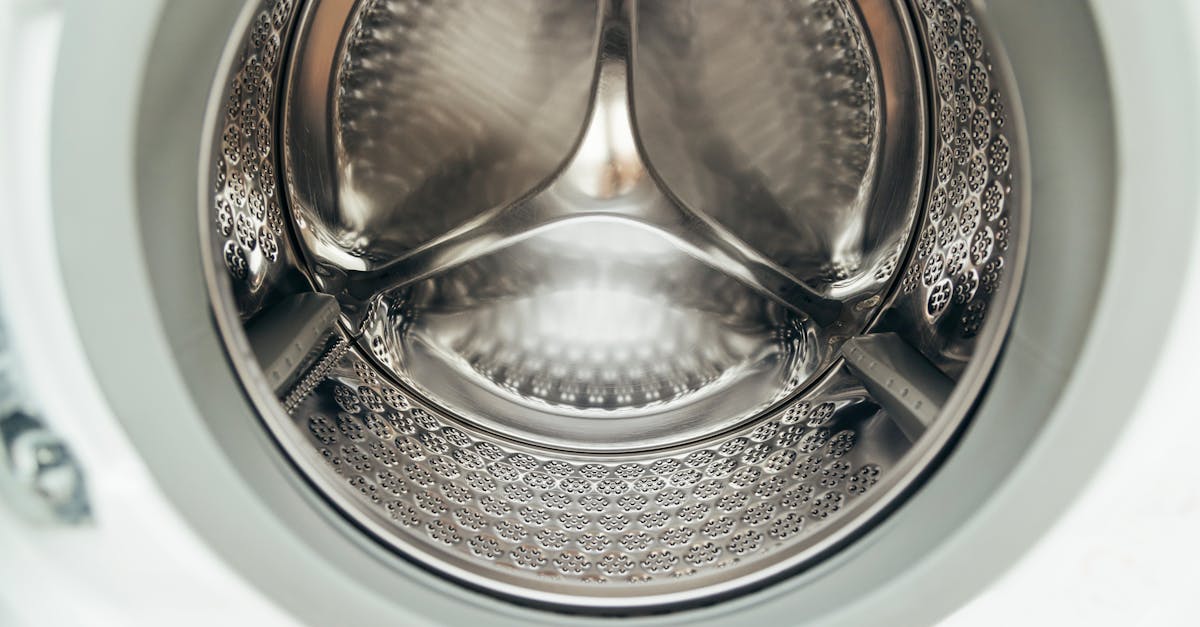
Table Of Contents
Seasonal Cleaning Techniques
With changing seasons comes the need for specific cleaning techniques for appliances. During spring, a thorough clean can help combat dust and allergens that accumulate over the warmer months. Rinse out refrigerator coils to enhance efficiency and prevent overheating. For dishwashers, running a cycle with vinegar and baking soda can eliminate grime and odours that develop after heavy use during summer months.
As autumn approaches, it's wise to clean out dryer vents to prevent lint buildup, which can be a fire hazard. Regularly checking and cleaning the stove and oven ensures that they operate optimally as meal preparation increases during colder weather. Winter can be a particularly busy time for many appliances, and ensuring they are clean before the holiday season can help alleviate any unexpected breakdowns. Keeping an eye on cleanliness not only promotes safety but also extends the lifespan of the appliances.
Effective Methods for Appliance Cleaning
A deep clean can significantly enhance the performance and lifespan of appliances. Start with removing loose debris and dust from the exterior surfaces. A gentle detergent mixed with warm water usually works wonders for cleaning sticky residues. For stainless steel appliances, a dedicated cleaner or a homemade solution of vinegar and water can restore shine and eliminate fingerprints effectively. To tackle stubborn stains, use a soft cloth or sponge to avoid scratching surfaces.
When it comes to interior cleaning, each appliance requires a tailored approach. For refrigerators, declutter and dispose of expired items first. Wipe down shelves with a mild soap solution, paying attention to corners where residue tends to accumulate. Washing machine maintenance involves running a hot cycle with vinegar or baking soda to eliminate any build-up inside. Dishwashers benefit from regular cleaning of filters and sprayer arms, ensuring optimal operation. These methods not only maintain appearances but also promote the efficient functioning of appliances throughout their lifespan.
Energy Efficiency Throughout the Year
Maintaining appliances for energy efficiency requires regular attention throughout the year. Seasonal changes can affect performance, so it’s essential to adapt routines accordingly. For instance, in warmer months, cooling systems often need more frequent checks to ensure they operate at peak efficiency. Cleaning filters, vents, and ensuring there is clear airflow can significantly affect energy consumption. Additionally, in winter, assessing heating systems can prevent overconsumption and improve overall warmth in the home.
Another key aspect is to schedule routine inspections for all major appliances. This proactive approach helps in identifying potential issues before they escalate. Regular servicing of refrigerators, washing machines, and dryers not only extends their lifespan but also ensures they run efficiently. Keeping an eye on energy usage and investing in energy-efficient models can lead to significant savings on utility bills, benefiting both the environment and the household budget.
How Regular Maintenance Improves Efficiency
Regular maintenance ensures that appliances operate at peak performance. Dust and debris can accumulate in areas such as filters and vents, reducing airflow and causing machines to work harder than necessary. By cleaning these components regularly, appliances can function more efficiently, leading to reduced energy consumption.
In addition to cleaning, maintaining parts like seals and gaskets can prevent leaks and maintain temperature control. This not only improves overall efficiency but also prolongs the lifespan of the appliance. Regularly checking for worn-out components and addressing any minor issues can prevent significant malfunctions down the line, ultimately saving money on repairs and energy bills.
Troubleshooting Common Seasonal Issues
As the seasons change, certain issues can arise with household appliances that may require immediate attention. For instance, refrigerators may struggle to maintain optimal temperatures during the summer heat. This might be due to dust accumulation on condenser coils or inadequate airflow around the unit. Regular inspections can help catch these problems early, ensuring that appliances operate efficiently throughout the warmer months.
In the winter, heating appliances often face their own set of challenges. Blocked vents and dirty filters can lead to reduced airflow, impacting performance. Homeowners should make it a habit to check and clean these components regularly. Identifying unusual noises or inconsistent heating can also provide clues to underlying issues, allowing for prompt repairs to prevent further damage.
Identifying and Fixing Seasonal Appliance Problems
Seasonal changes can frequently lead to distinct issues with your appliances. For instance, air conditioners may struggle during peak summer months, often due to clogged filters or accumulated dust in the coils. Regular inspections before seasonal transitions can help identify these problems early. Similarly, refrigerators might experience cooling issues in warmer weather, potentially stemming from blocked vents or faulty thermostats. Addressing these issues promptly can prevent more significant repairs down the road.
Additionally, winter can bring about specific challenges for appliances like washing machines and dishwashers. Frozen pipes or drainage issues are common when temperatures drop. Checking hoses and connections for any signs of frost or damage is essential. If you notice any leaks or irregular noises during operation, it's vital to investigate further. Simple troubleshooting measures, such as rerouting hoses or ensuring proper drainage, can often resolve these problems quickly and effectively, allowing your appliances to function optimally when you need them most.
FAQS
What are some seasonal cleaning techniques for appliances?
Seasonal cleaning techniques for appliances include thorough dusting, wiping down surfaces, vacuuming vents, and checking for any build-up of debris. Specific methods can vary by appliance, so it's essential to refer to the manufacturer's guidelines for best practices.
How can regular maintenance improve appliance energy efficiency?
Regular maintenance, such as cleaning filters, checking seals, and ensuring proper ventilation, can enhance an appliance's energy efficiency. By keeping appliances in good working condition, you can reduce energy consumption and lower utility bills.
What are common seasonal issues that may affect appliances?
Common seasonal issues can include overheating during summer months, freezing components in winter, and condensation or humidity-related problems in spring and autumn. These issues can often be resolved with proper maintenance and care.
How can I identify if my appliance is experiencing seasonal problems?
Signs of seasonal appliance problems may include unusual noises, inefficient performance, error messages, or visible wear and tear. Regularly inspecting your appliances and noting any changes in their behaviour can help identify issues early.
What steps can I take to troubleshoot seasonal appliance problems?
To troubleshoot seasonal appliance problems, start by consulting the user manual for specific error codes or guidelines. Check for any obstructions, clean filters, and ensure proper settings are applied. If issues persist, contacting a professional technician may be necessary.
Related Links
The Impact of Humidity on Appliance LifespanTop Five Practices for Prolonging Your Fridge's Lifespan
Avoiding Common Mistakes That Shorten Appliance Life
Essential Tips for Maintaining Your Dishwasher Efficiency
Understanding the Role of Proper Settings in Appliance Longevity
Smart Scheduling: Routine Checks for Long-Lasting Appliances
The Importance of Ventilation in Extending Appliance Durability
Benefits of Regular Cleaning for Kitchen Appliances
How to Maintain Laundry Appliances for Optimal Performance