Tackling Common Appliance Noise Issues and Quick Fixes
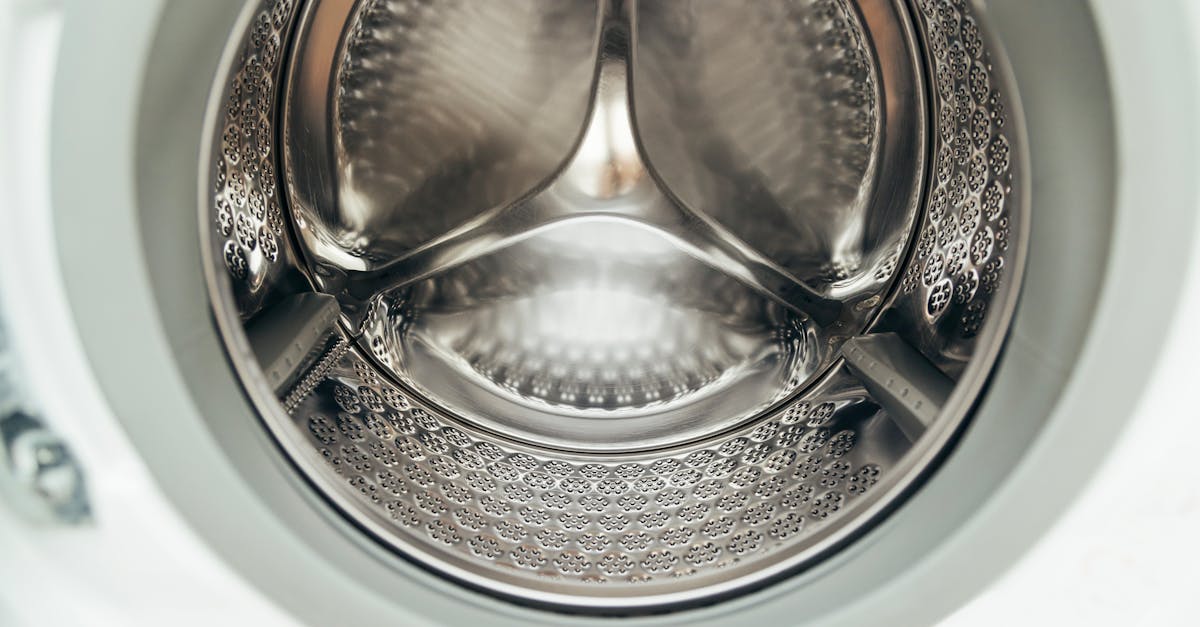
Table Of Contents
Dryers
Loud operation in dryers can stem from various issues, including worn components or unbalanced loads. A common cause of noise is foreign objects caught in the drum, such as coins or small items. Checking the drum thoroughly can help identify these culprits. Even if the appliance seems noisy without any visible obstructions, it could indicate problems with the belt, rollers, or bearings that warrant further inspection and possible replacement.
Squeaking and thumping noises are often the result of unbalanced loads or issues with internal components. To mitigate these sounds, it's essential to distribute laundry evenly within the drum. If rebalancing doesn't resolve the problem, examining the support rollers or drum bearings for wear can provide insight into the source of the noise. Regular maintenance, such as cleaning lint traps and checking vents, can also contribute to a quieter dryer operation.
Steps to Fix Squeaking and Thumping
Loud squeaking or thumping sounds from your dryer often indicate a problem that requires attention. First, check for any loose or worn-out drum support rollers. These rollers are crucial for smooth drum operation. If they are damaged, replacing them can significantly reduce noise. Additionally, inspect the belt for any fraying or misalignment. A worn belt can also create unwanted sounds during the drying process.
Another common source of noise can be foreign objects trapped between the drum and the dryer housing. Coins or small items may cause thumping sounds as they move around. Remove the lint filter and inspect the drum cavity to find and eliminate such intruders. Lastly, ensure that the dryer is level on the ground. An uneven machine can lead to vibrations that contribute to excessive noise. Adjusting the feet of the dryer can help stabilise it, minimising disruptive sounds during operation.
Ovens
Cooking appliances can create unexpected sounds during operation, often causing concern about potential issues. Popping and banging noises are common complaints observed when using ovens. These sounds can arise from various sources. One frequent cause is the expansion and contraction of metal components as they heat up and cool down. Another possibility may be food residue on the oven floor or burner.
Addressing these sounds involves a simple troubleshooting process. Start by checking the oven for any leftover food debris that may have fallen during previous cooking sessions. Cleaning the oven floor thoroughly can help eliminate popping noises. Additionally, ensuring that oven racks are properly positioned can diminish any banging sounds caused by movement while heating. Regular maintenance and careful usage will often lead to a quieter cooking experience.
Remedies for Popping and Banging Noises
Popping or banging noises from an oven often indicate issues with the heating element or the internal components. Start by checking the heating element for any visible damage or signs of wear. If it appears to be faulty, replacing it may eliminate the noise. Additionally, examine the oven racks; they should be properly positioned and not touching the oven walls to prevent any banging sounds during heating cycles.
Another potential cause for these noises could be the presence of food debris or grease that has accumulated around the burners. Regularly cleaning both the burners and the oven cavity can help in minimising these disruptions. Check for loose screws or connections on the appliance’s exterior as well. Tightening any loose parts might significantly reduce or eradicate the popping and banging noises, leading to a more peaceful cooking environment.
Air Conditioners
Air conditioners are essential for maintaining comfortable indoor temperatures, especially during the hotter months. However, these units can produce various sounds that may range from mildly concerning to alarming. While some noise is normal during operation, it’s important to identify any unusual sounds, as they might indicate underlying issues that require attention.
Common operational sounds include hissing, which can arise from refrigerant flow or a leak. Dripping noises might suggest water pooling inside the unit, often due to clogging in the drain line. Regular maintenance checks can help minimise these sounds and ensure optimal functioning of the air conditioner. Cleaning or replacing filters, checking the drain line for blockages, and examining the condenser coils can prevent excessive noise and improve efficiency.
Addressing Hissing and Dripping Issues
A hissing sound from an air conditioner can often indicate a refrigerant leak. This issue can not only compromise the efficiency of the unit but also pose risks to health due to exposure to harmful chemicals. To begin addressing this problem, inspect the unit for visible signs of damage or corrosion. Checking the refrigerant levels is crucial if you suspect a leak. If the refrigerant is low, it’s advisable to consult with a professional technician to safely handle the repair.
Dripping noises may stem from condensation build-up, which can occur when the condensation drain is blocked. This blockage can lead to water pooling within the unit, causing not only noise but also potential water damage. Regular maintenance is essential, including clearing the drain line and checking the drip pan for any obstructions. In some cases, ensuring the unit is level can also help in preventing excess water accumulation.
FAQS
What are the most common noise issues with dryers?
Common noise issues with dryers include squeaking, thumping, and rattling sounds, often caused by worn drum rollers, a damaged belt, or loose screws.
How can I fix a squeaking dryer?
To fix a squeaking dryer, you can check and replace worn drum rollers, ensure the dryer belt is not damaged, and tighten any loose screws or components.
What causes popping and banging noises in ovens?
Popping and banging noises in ovens can be caused by food debris on the heating element, temperature fluctuations, or issues with the oven's internal components.
How do I quiet a noisy air conditioner?
To quiet a noisy air conditioner, you should check for loose parts, clean the filters, ensure the unit is level, and inspect the fans for any obstructions or damage.
Is it safe to use appliances that make unusual noises?
While some noises can be normal, unusual or loud sounds may indicate a problem. It's advisable to address these issues promptly to prevent further damage or safety hazards.
Related Links
Fixing Problems with Range Hoods and Ventilation SystemsCommon Washing Machine Issues and How to Fix Them
Understanding Issues with Electric Stoves and Solutions
Resolving Freezer Complications and Proper Techniques
Addressing Dryer Performance Problems and Fixes
Solutions for Frequent Dishwasher Failures
Diagnosing Common Refrigerator Problems and Their Solutions
Identifying and Solving Faulty Microwave Behaviours
Troubleshooting Oven Malfunctions for Effective Repairs